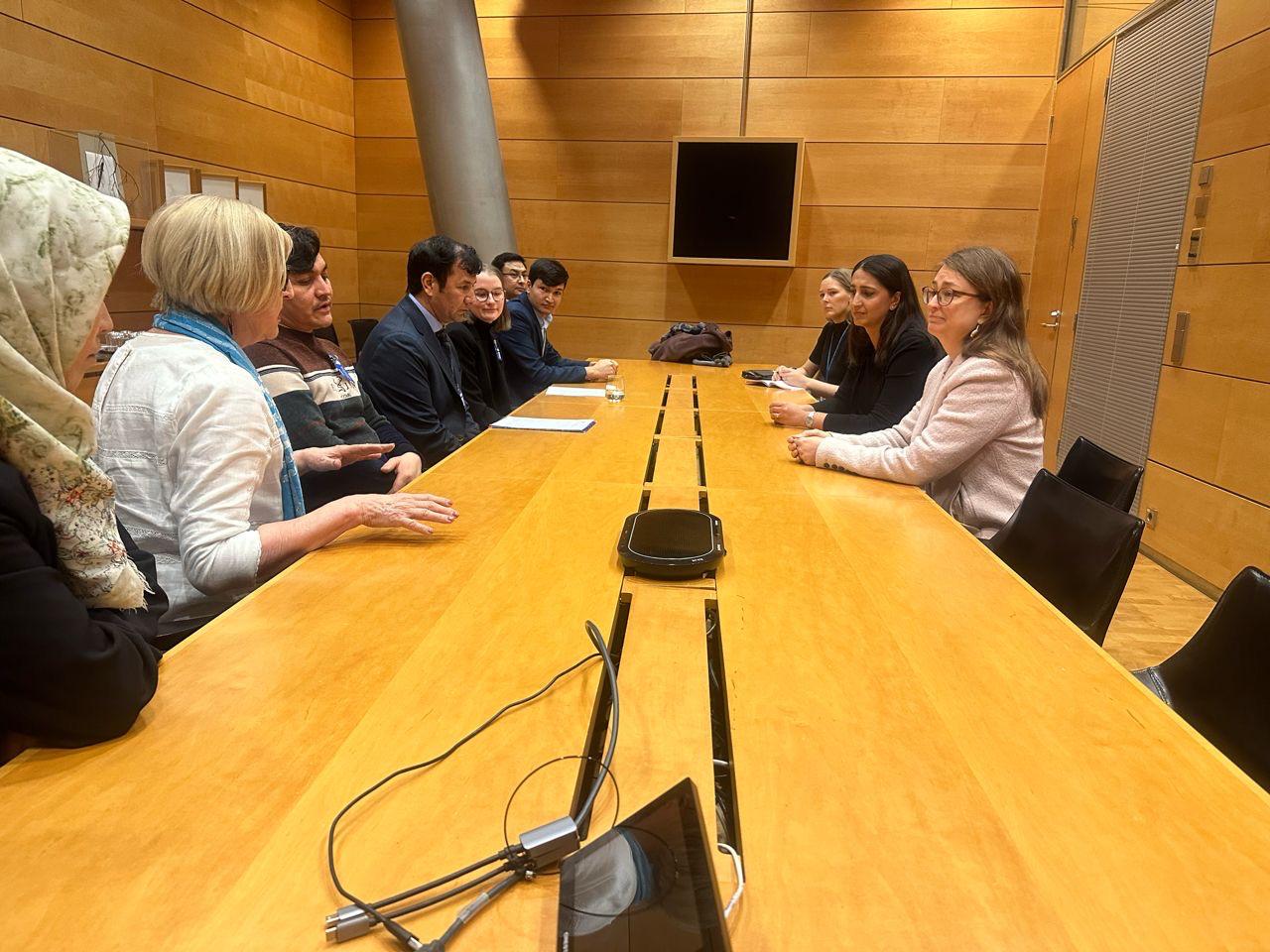
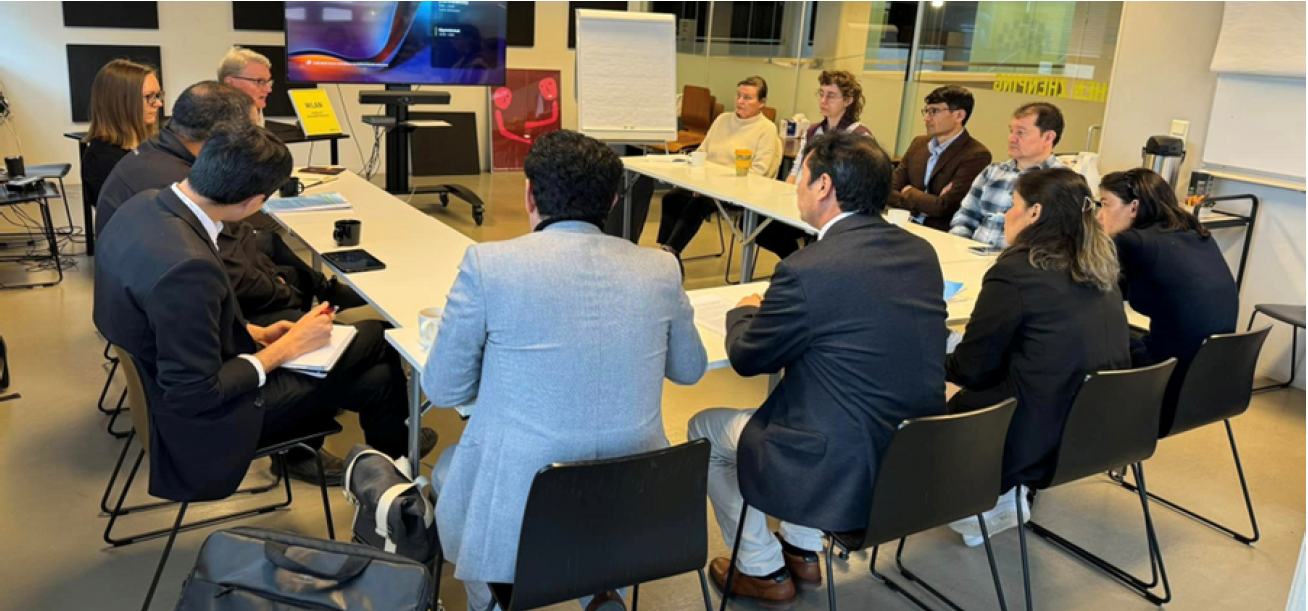
The event was held on Saturday, October 4, 2025, in Helsinki, Finland, organized by the Hazara Cultural House in Finland, Amnesty International Finland, and the Finnish Women’s Union
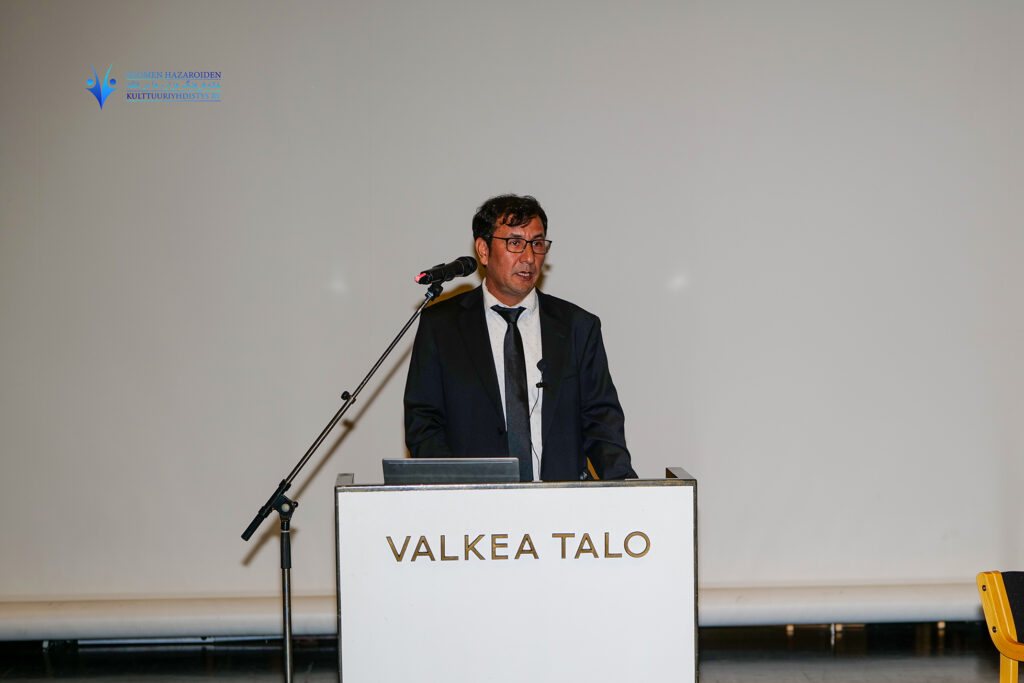
Latif Fayaz, Executive director of the Hazara Cultural House, said that the Kaaj tragedy was not an isolated incident in Hazara history but part of a long pattern of systematic and organized attacks targeting Hazaras for over a century because of their ethnic and religious identity. He described these attacks as acts of dehumanization, ethnic cleansing, forced displacement.
Frank Johansson, director of Amnesty International Finland, stressed the importance of remembering the victims of the Kaaj Educational Center bombing, where many Hazara teenage girls were killed while pursuing education. He condemned the Taliban’s internet shutdown, calling it a reckless act that disrupted aid delivery and deepened the crisis in Afghanistan. Johansson said that human rights conditions in Afghanistan are at their worst, citing the ban on girls’ education and women’s employment as clear examples of human rights violations. He also noted that cutting off the internet had especially harmed girls who relied on online education.
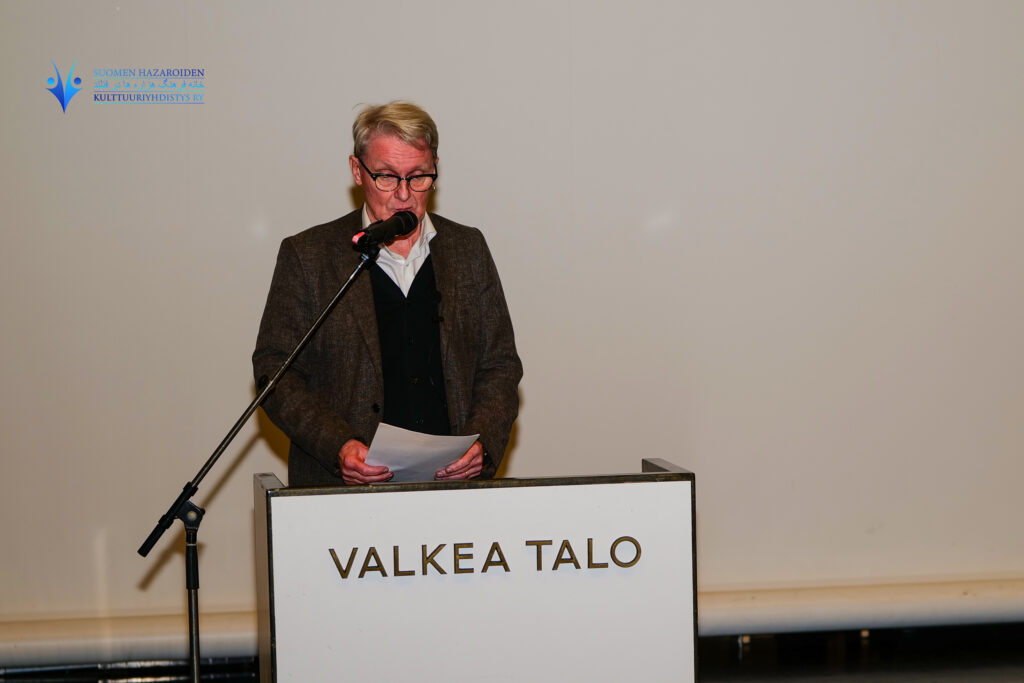
He raised two key issues:
- Collapse of Afghanistan’s judicial system after the Taliban’s return to power. He explained that the Taliban’s version of Sharia law has replaced the previous justice system, enforcing extreme obedience instead of legal rights. Courts now operate behind closed doors, and women have been completely removed from the judicial system.
- Forced deportation of Afghan refugees from other countries. Johansson warned that both neighboring and European countries are discussing deporting Afghans, influenced by the rise of far-right movements. He urged the Finnish government not to forcibly return anyone to Afghanistan, to raise this issue at the EU level, to increase Finland’s refugee quota for Afghans, and to facilitate family reunification for those at risk.
Tiina Elo, a Member of the Finnish Parliament, also spoke at the event. She honored the memory of the September 30, 2022 suicide bombing at Kaj Educational Center in Kabul, where over 53 Hazara students were killed and more than 110 injured, most of them young girls. She said the tragedy highlights the vulnerability of girls and minorities in Afghanistan and how extremist groups like the Taliban seek to suppress education, awareness, and freedom of thought.
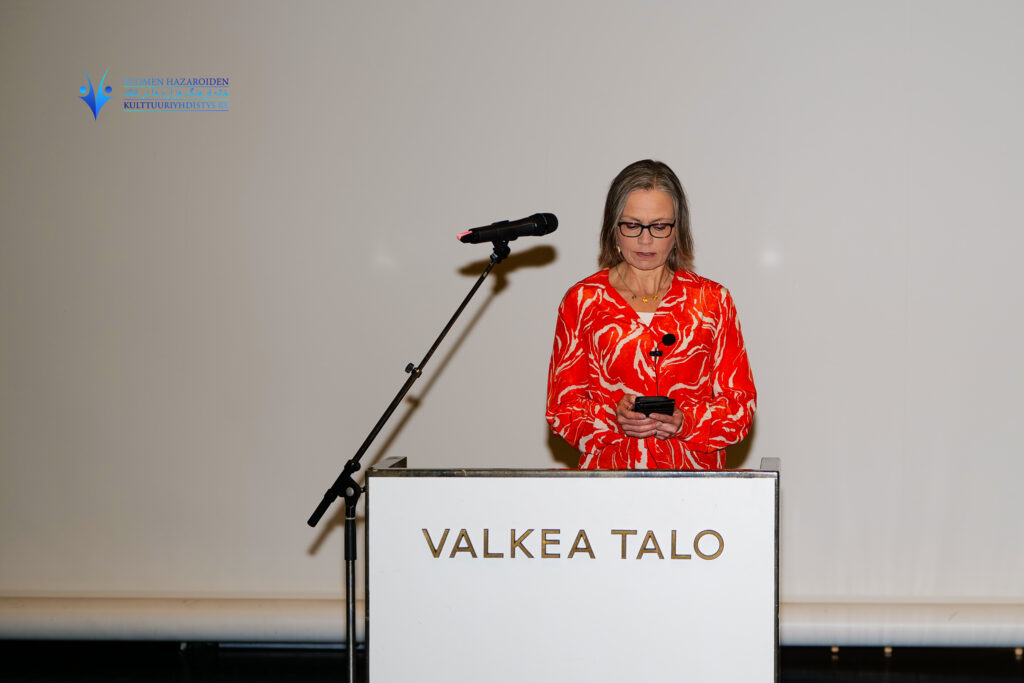
Elo said that since the Taliban’s return, human rights abuses and violence have affected everyone in Afghanistan, but the Hazara community continues to face systematic persecution. She noted that Hazara women are especially vulnerable due to both their ethnicity and gender, facing double discrimination. They are banned from almost all public participation. She urged the international community not to turn away from Afghanistan and praised those who continue to teach girls secretly, saying: “You are not alone.”
Elo added that the Finnish Parliament is closely monitoring the situation and called on the government to increase humanitarian aid while ensuring it reaches the people — not the Taliban. She also urged the international community to pressure and sanction the Taliban for their actions.
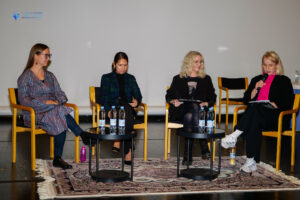
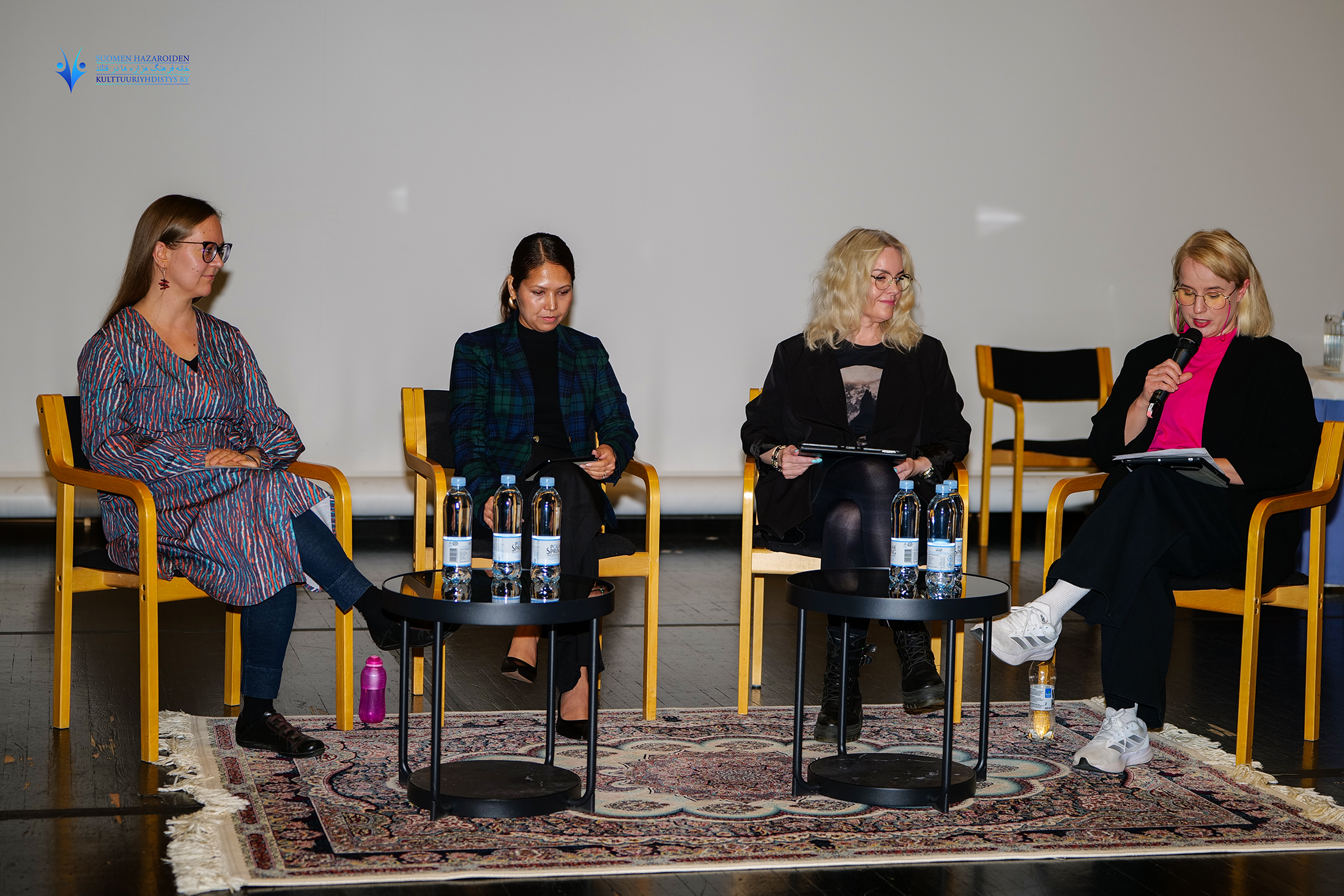
The second part of the program was a panel discussion moderated by Tuuli Hongsto of the Finnish Women’s Union, featuring Elina Korhonen (Head of International Relations, Väestöliitto), Shakiba Ahmadi (women’s rights activist), and Kaisa Korhonen (Legal Advisor, Amnesty International Finland).
The panel discussed women’s health, violations of their basic rights, lack of access to healthcare, and the Taliban’s repressive policies.
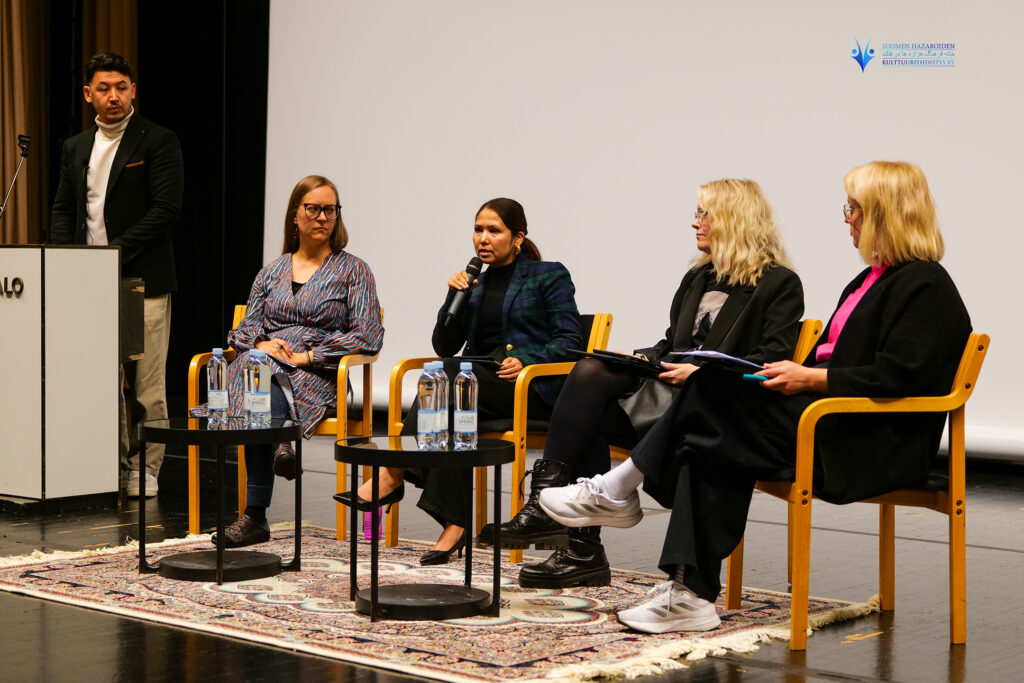
Participants pointed out that during the two-hour event itself, a woman in Afghanistan likely died in childbirth due to the lack of medical care. They expressed concern about the rise in child marriages, driven by poverty and fear of sexual violence.
The panel emphasized that the Taliban’s decrees further restricting women’s lives deny them control over their own bodies and reduce women to childbearing instruments, stripping away their human dignity.
Kaisa Korhonen, Amnesty’s legal advisor, described the Taliban’s actions as horrific violations of human rights, mentioning restrictions on women’s work, healthcare access, and even their right to speak publicly. She stated that the Taliban’s ideology is rooted in authoritarianism and extremism, and since they lack public legitimacy, they rely on violence and fear to maintain control.
When asked if Taliban actions could be considered crimes against humanity, Korhonen replied:
“Yes. Given the systematic and open violations of human and women’s rights by the Taliban, these actions clearly constitute crimes against humanity, and they must be held accountable.”
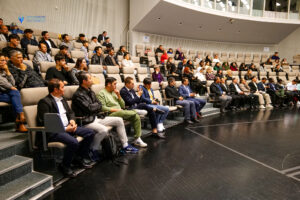
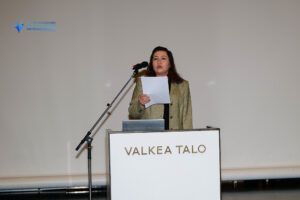
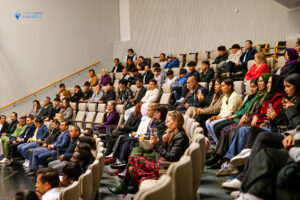
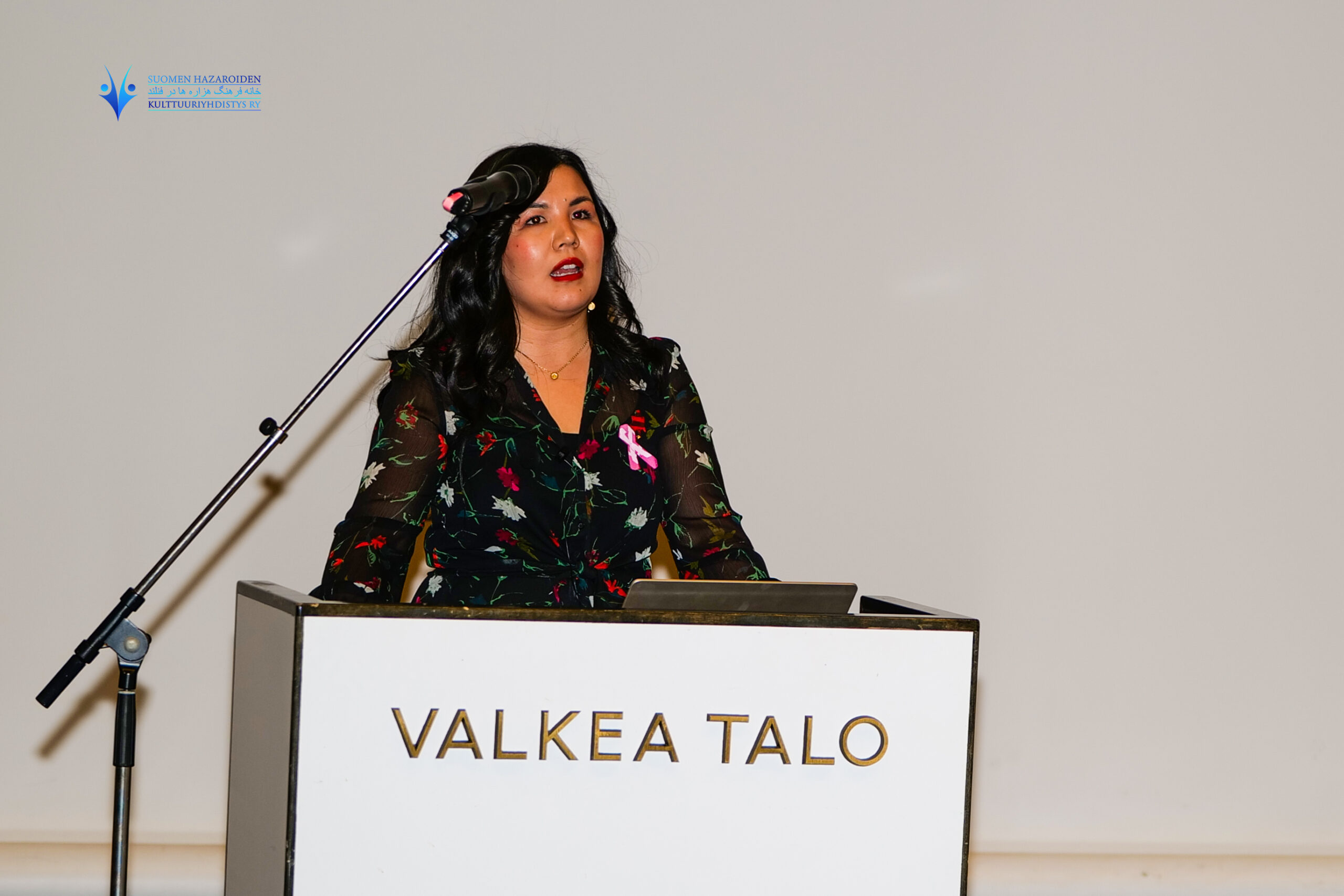
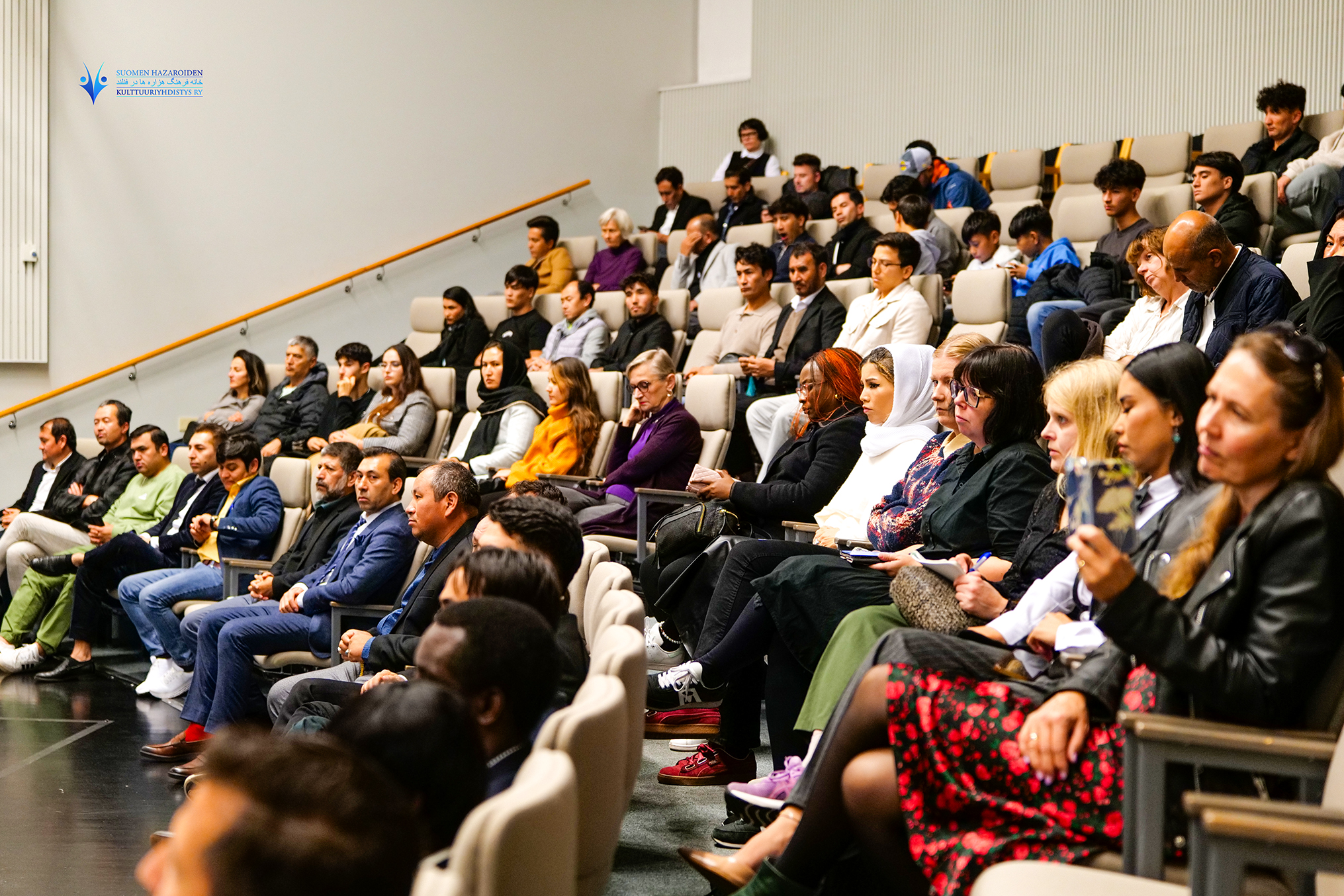
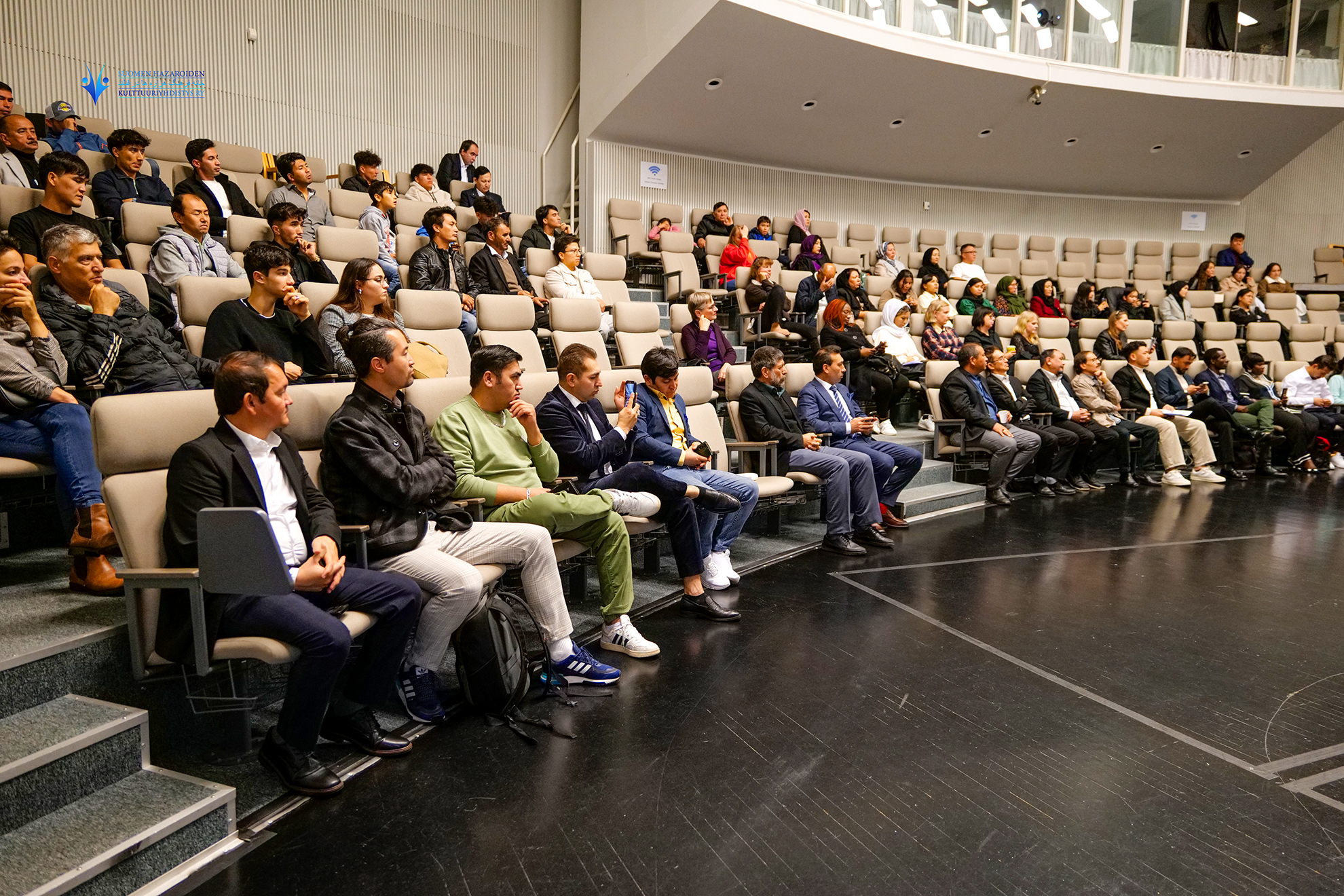
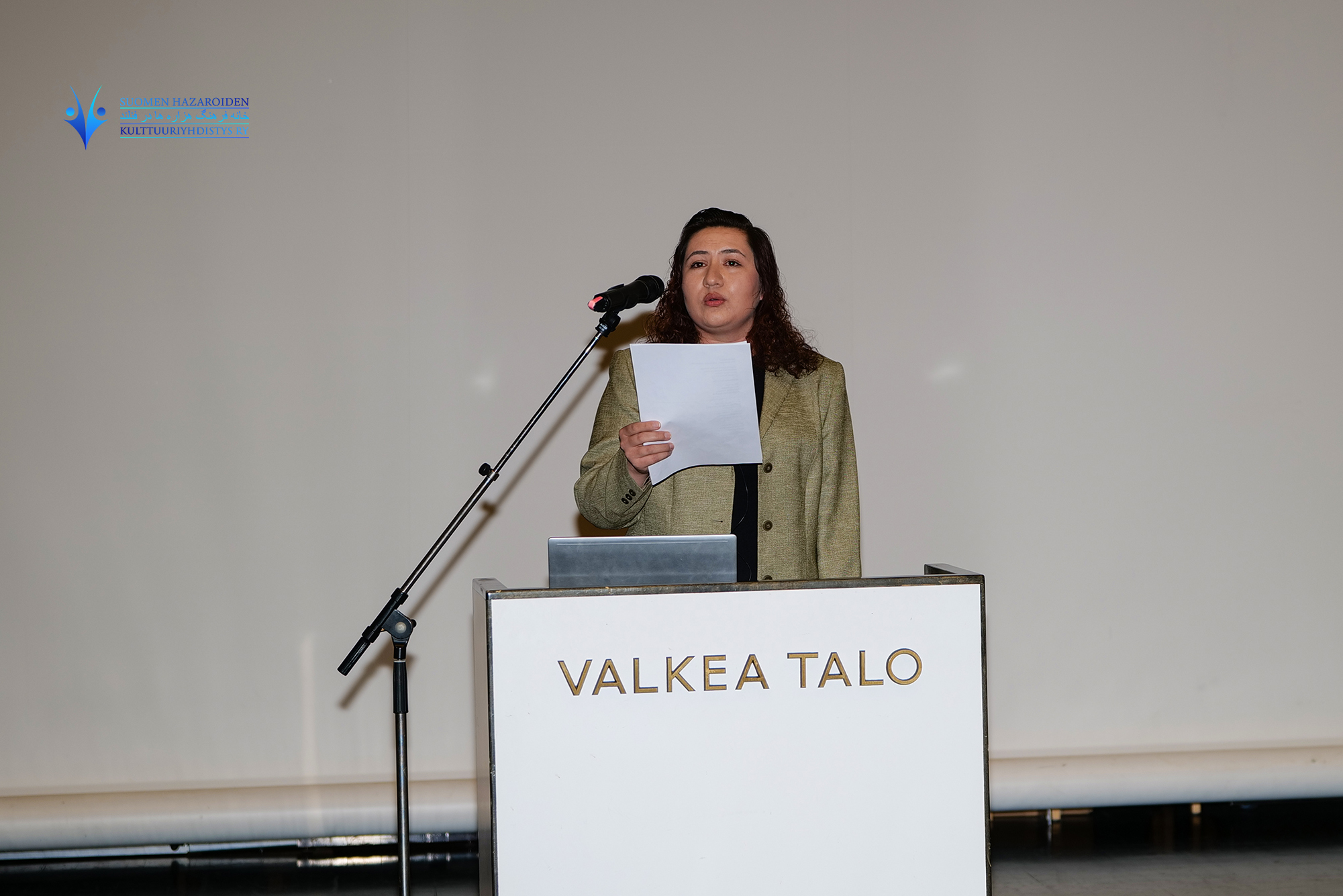
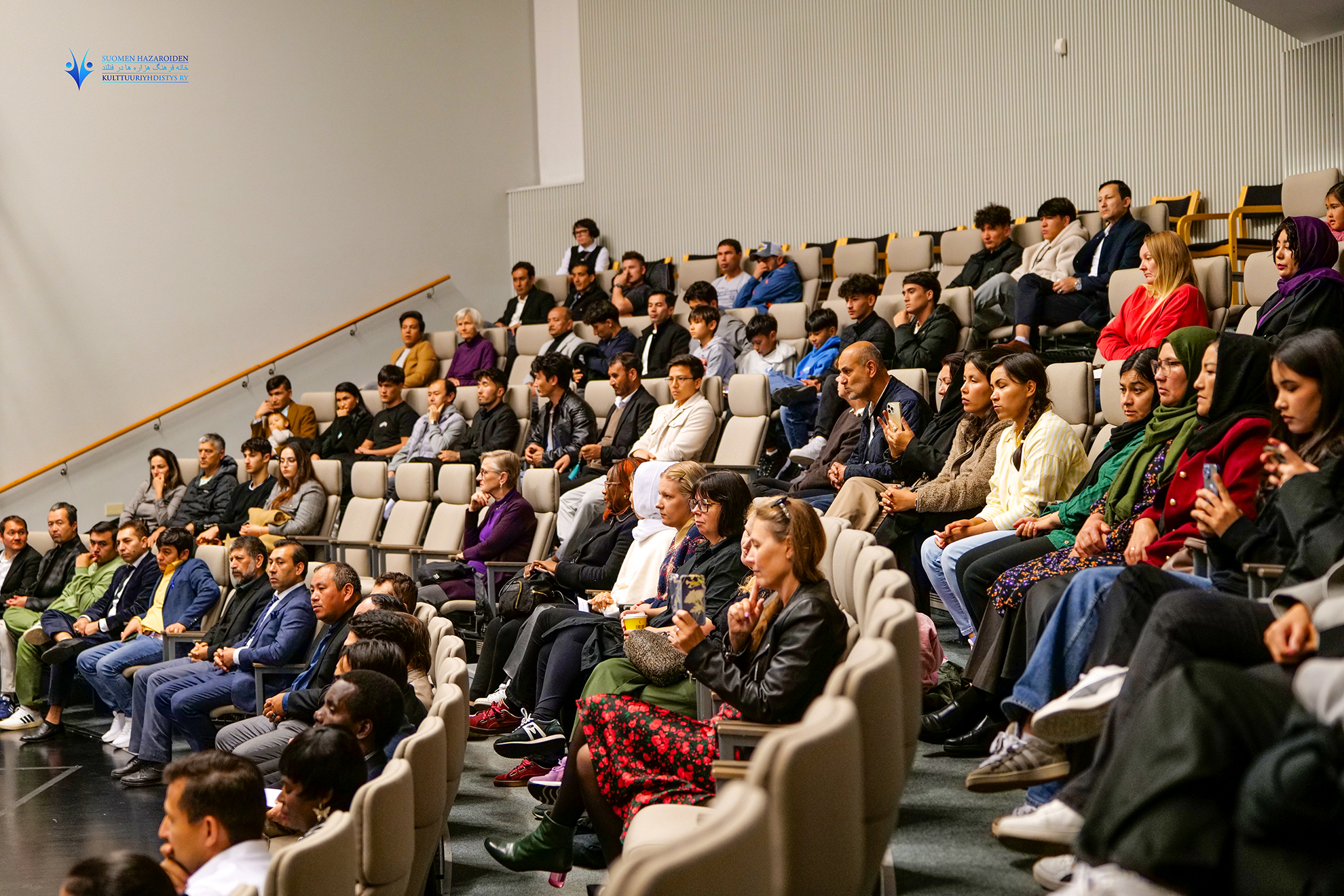

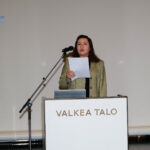
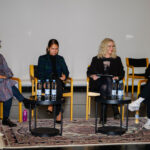
The event concluded with Zahra Hosseini reading a poem in memory of the Kaaj girls. The program, conducted in English and Finnish, was interpreted into Persian by Aziza Hosseini and Ahmad Hasaini, and hosted by Amjad Shir from Amnesty International Finland.